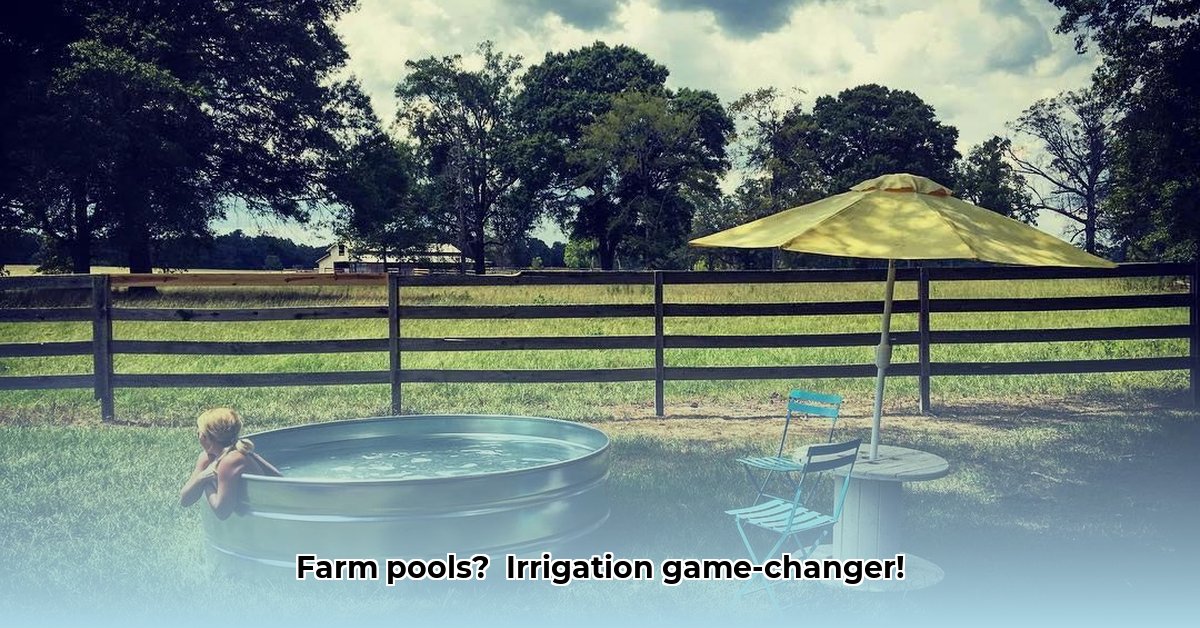
Finding affordable and efficient irrigation solutions is crucial for modern farming. Stock tanks, readily available at Tractor Supply, offer a surprisingly versatile option for managing water resources on your farm. For more information on Tractor Supply's offerings, check out their website. This article explores the advantages and disadvantages of using stock tanks for irrigation, providing practical guidance for setup, maintenance, and sustainable practices.
Understanding Stock Tank Pools
Stock tanks, traditionally used for livestock watering, are robust, durable containers available in various sizes and materials (plastic or steel). Their adaptability makes them suitable for diverse applications, including supplemental irrigation for crops and even small-scale aquaculture. However, careful planning and management are essential for optimal performance and minimizing environmental impact.
Advantages and Disadvantages of Stock Tank Irrigation
Using stock tanks for irrigation offers several benefits but also presents challenges.
Advantages:
- Cost-effectiveness: Stock tanks generally represent a lower initial investment compared to more complex irrigation systems. They can be reused year after year, reducing long-term expenses.
- Adaptability: Various sizes are available, making them suitable for small gardens to larger fields, adapting easily to diverse farming needs and scales.
- Durability: Both steel and plastic stock tanks are designed for longevity, providing a long-term investment compared to more fragile irrigation components.
- Multi-purpose utility: Besides irrigation, stock tanks can serve as livestock watering troughs, emergency water storage, or even temporary habitats for aquatic life.
Disadvantages:
- Transportation logistics: Transporting large tanks can be costly and environmentally impactful. Local purchasing significantly mitigates this concern.
- Water quality management: Maintaining clean water in stock tanks requires consistent monitoring and treatment to prevent contamination and algae growth. This adds to the operational overhead.
- Material selection: The choice between plastic and steel impacts both durability and environmental footprint. Plastic is lighter but may degrade faster, while steel is heavier but more resistant to damage.
Setting Up Your Stock Tank Irrigation System
Establishing a functional stock tank irrigation system involves several key steps:
- Size Determination: Accurately assess your water needs to select the appropriately sized tank. Incorrect sizing can lead to under- or over-capacity issues.
- Site Preparation: Level the chosen area and ensure adequate drainage to prevent waterlogging and potential structural problems.
- Strategic Placement: Position the tank for easy access and efficient water distribution to your target plants considering terrain and elevation.
- Water Source Integration: Connect the tank to your chosen water source, potentially using a pump to regulate water flow and pressure.
- Water Treatment Implementation: Establish a consistent water treatment plan, including regular testing and the use of appropriate chemicals to maintain water quality and prevent the growth of algae or harmful bacteria. Consult your local Cooperative Extension office for guidance on appropriate water treatment methods for your region and requirements.
Sustainability Considerations
While cost-effective, the environmental impact of stock tank irrigation deserves careful consideration:
- Transportation emissions: Selecting locally sourced tanks minimizes the carbon footprint associated with transportation.
- Water conservation: Employ efficient irrigation techniques (e.g., drip irrigation) to reduce water waste.
- End-of-life management: Choose tanks made from recycled materials if available, and establish a plan for responsible disposal or recycling at the end of their lifespan.
Actionable Intelligence for Stakeholders
Efficient and responsible use of stock tanks requires tailored approaches for various stakeholders:
| Stakeholder | Short-Term Goals | Long-Term Goals |
|---|---|---|
| Farmers/Ranchers | Evaluate costs against other irrigation methods. | Implement sustainable water management practices, including regular water testing and treatment. |
| Businesses | Optimize shipping and logistics for reduced emissions. | Invest in research and development of more sustainable tank designs. |
| Environmental Agencies | Develop guidelines for responsible tank disposal. | Establish water use standards for agricultural applications. |
| Policymakers | Incentivize the use of recycled materials in tank production. | Fund research on the environmental impact of stock tank irrigation. |
Risk Assessment and Mitigation
Potential challenges and their mitigation strategies:
| Risk Factor | Likelihood | Impact | Mitigation |
|---|---|---|---|
| High Transportation Costs | Medium | Medium | Prioritize local sourcing; explore cost-effective transportation options. |
| Water Quality Issues | Medium | High | Implement regular water testing and appropriate chemical treatment. |
| Plastic Tank Degradation | Low | Low | Choose UV-resistant plastic and inspect for damage regularly. |
| Steel Tank Rust and Corrosion | Low | Medium | Conduct regular inspections and address issues promptly. |
| Setup and Installation Issues | Low | Medium | Seek professional installation assistance if needed. |
By carefully considering the advantages, disadvantages, and potential risks associated with stock tank irrigation, farmers and businesses can make informed decisions and leverage this cost-effective solution sustainably. Remember consistent planning and maintenance are crucial for long-term success and environmental responsibility.